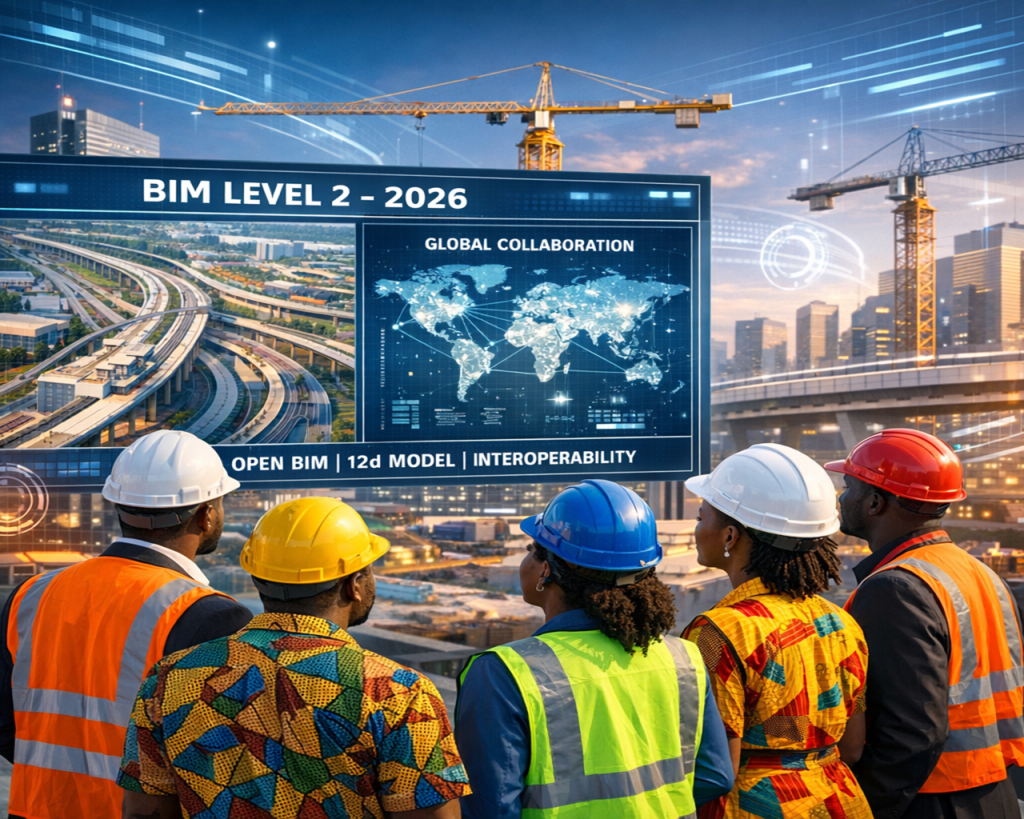
The construction landscape has shifted from traditional 12d drafting to a multi-dimensional digital ecosystem. At the forefront of this transformation is 12d Model, a powerhouse in terrain modeling and civil engineering. By integrating Building Information Modeling (BIM) and Automation, 12d Model is no longer just a design tool—it is a strategic asset for delivering complex infrastructure projects.
The Importance of Supply Chain Visibility in Logistics
While many associate BIM with vertical architecture (buildings), 12d Model specializes in “Civil BIM.” This involves creating data-rich 3D models of roads, rail, drainage, and utilities that serve as a “single source of truth” from initial survey to final construction.
Key BIM Features in 12d Model:
- Data Fidelity:12d Model utilizes the IFC (Industry Foundation Classes) format, ensuring that 3D strings, tins, and trimeshes can be shared with other platforms like Revit or Navisworks without losing metadata.
- Clash Detection:Automated 3D clash management identifies where a new water main might hit an existing electrical conduit long before a shovel hits the ground.
- Digital Twins:Models created in 12d serve as a living record for facility management and future maintenance.
Driving Efficiency Through Automation
Automation in 12d Model is designed to eliminate repetitive tasks, allowing engineers to focus on high-value design decisions.
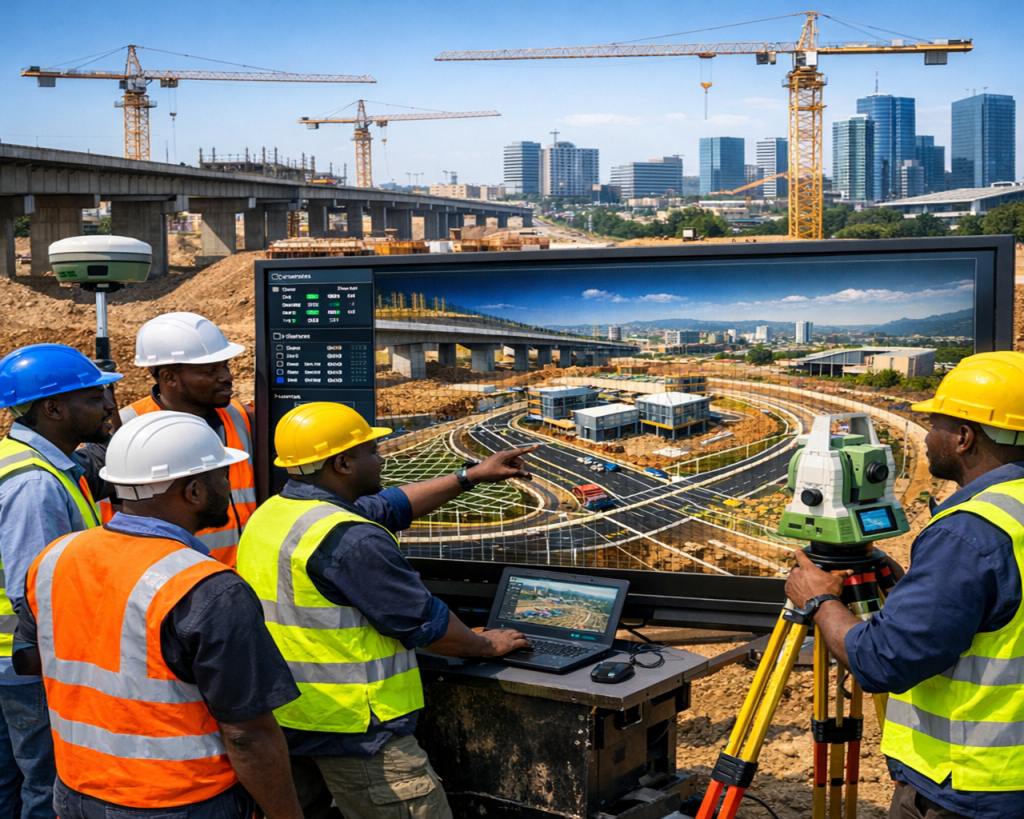
- “Field to Finish” Workflows
With 12d Field, data captured by GPS or Total Stations is streamed directly into the model. Line work is automatically drawn, and visual styles are applied in real-time. This eliminates the manual “data entry” phase that traditionally plagued surveyors.
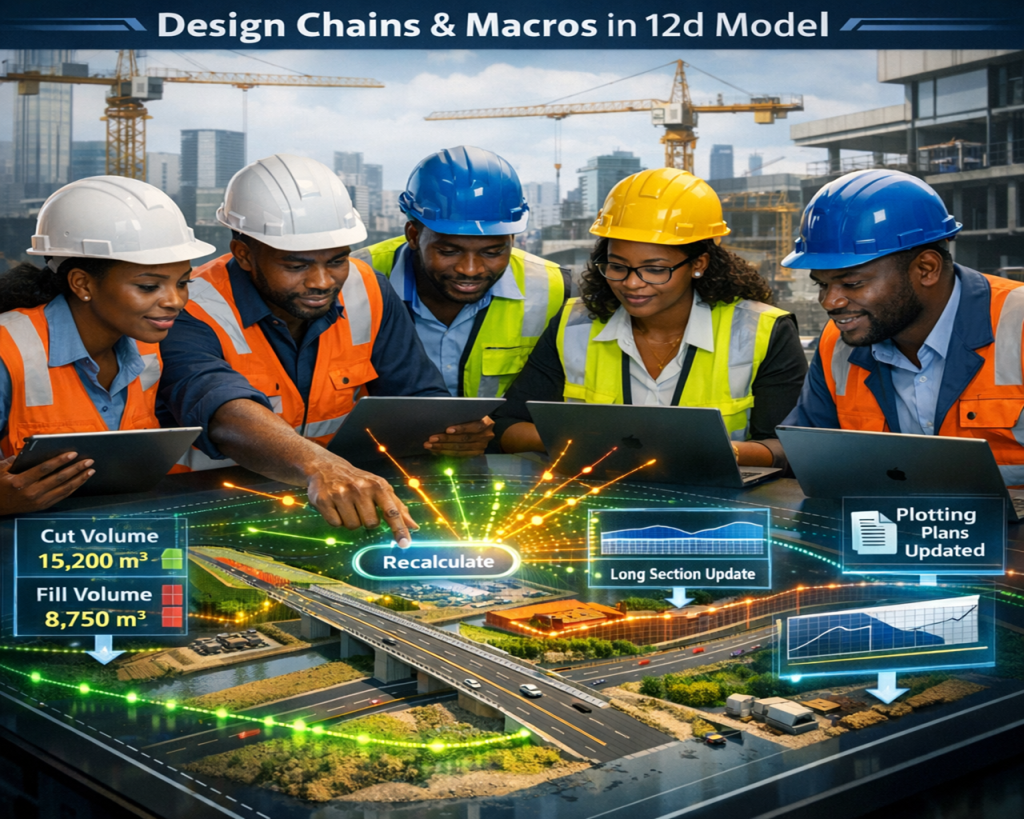
- Design Chains and Macros
12d Model allows users to link commands together using Chains. If a road alignment changes, a single click can trigger a chain reaction that recalculates:
- Earthwork volumes (cut and fill)
- Cross-sections and long-sections
- Plotting and documentation
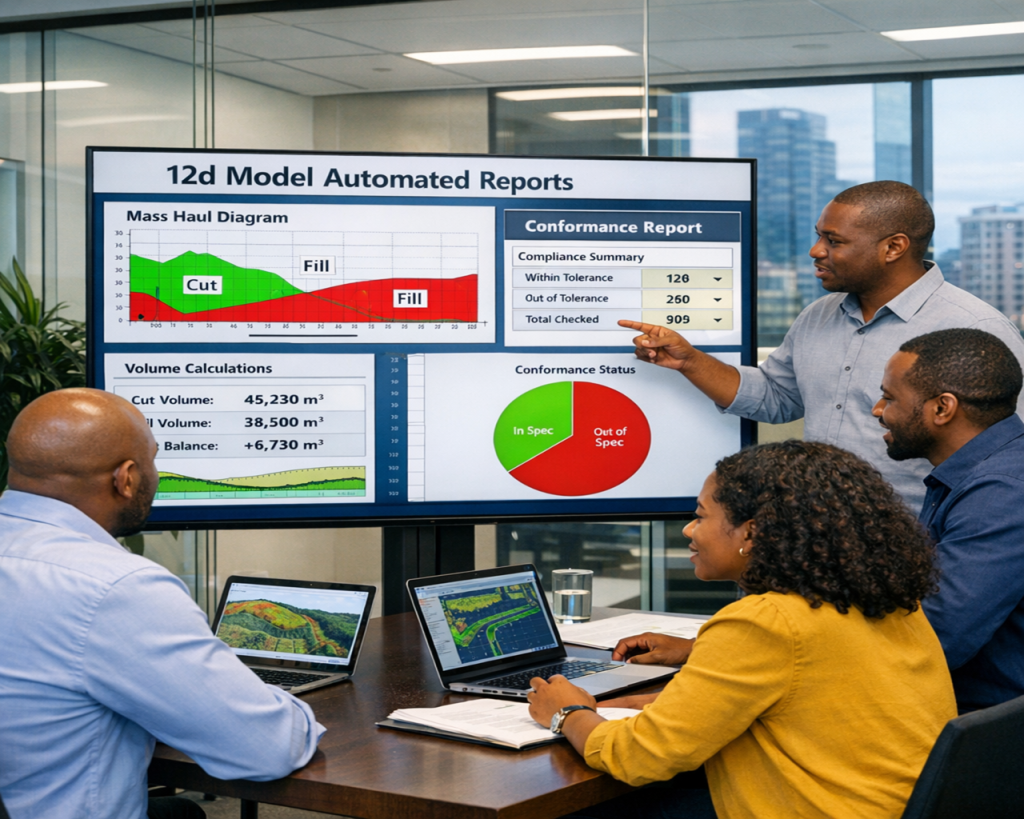
- Automated Reporting
Generating mass haul diagrams, volume calculations, and conformance reports used to take days. 12d Model automates these, providing real-time insights into project progress and costs.
The Benefits for the Construction Industry
The marriage of BIM and automation provides measurable ROI for contractors and stakeholders:
Looking Ahead: BIM in 2026
As we move through 2026, the industry is seeing a shift toward BIM as strategic infrastructure. Government mandates worldwide now require BIM Level 2 or higher for public works. 12d Model’s commitment to Open BIM and interoperability ensures that firms are not locked into a single ecosystem but can collaborate fluidly across the globe.